
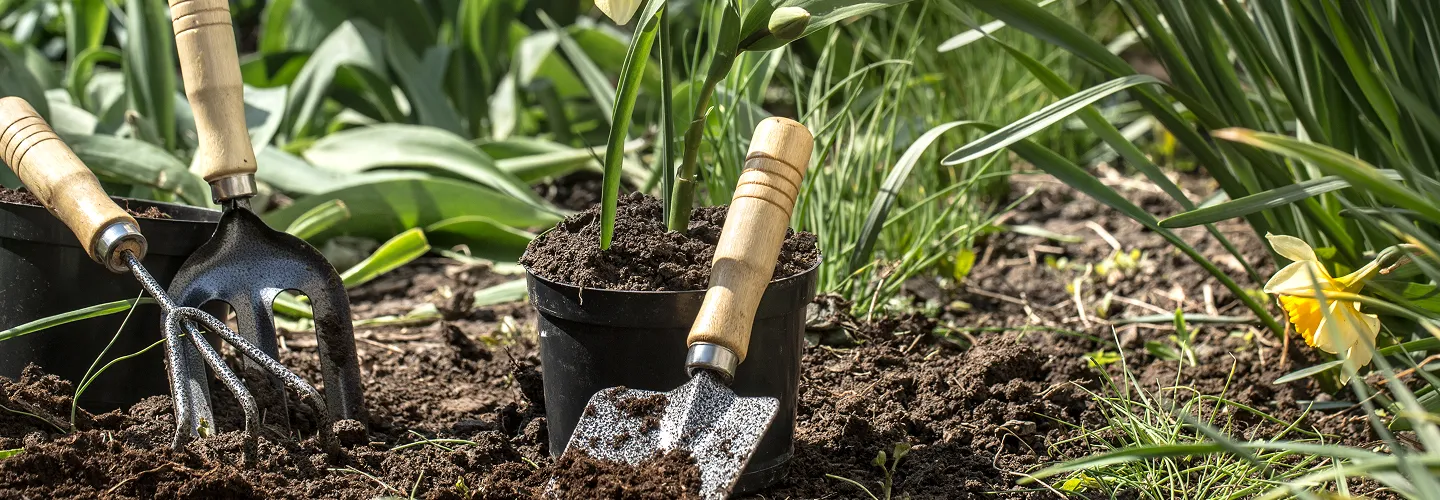
Shady Hollow Lawn Installation Services
Choose our expert lawn installation for a seamless, hassle-free transformation—enjoy a vibrant, healthy yard that boosts your home's curb appeal and provides a beautiful space for your family to enjoy.
Get a Free QuoteOur Shady Hollow Landscaping & Yard Care Services
When to Schedule Lawn Installation in Shady Hollow, Texas – Seasonal Guide
In Shady Hollow, Texas, timing your lawn installation is crucial for long-term success due to the area’s unique climate and landscape. The best periods for establishing new turf are typically late spring and early fall, when temperatures are moderate and rainfall is more predictable. These windows allow grass roots to establish before the intense summer heat or occasional winter frosts set in. Neighborhoods near Slaughter Creek and the shaded lots around Capistrano Park often experience microclimates that can influence the ideal installation window, so it’s important to consider your property’s specific conditions.
Local environmental factors such as soil composition, humidity, and shade coverage play a significant role in determining the best time for lawn installation. Shady Hollow’s clay-rich soils retain moisture but can become compacted, making soil preparation essential. Additionally, the area’s tree canopy—especially in established neighborhoods—can affect sunlight exposure and moisture retention. For more information on local environmental guidelines and seasonal recommendations, visit the Sudbury municipal resource.
Local Factors to Consider for Lawn Installation in Shady Hollow
- Tree density and shade coverage impacting grass variety selection
- Soil type and drainage, especially in areas with clay-heavy soils
- Seasonal precipitation patterns and drought risk
- Frost dates and temperature fluctuations
- Terrain slope and potential for runoff
- Municipal watering restrictions and local ordinances
Benefits of Lawn Installation in Shady Hollow
Expert Landscaping Services
Customized Lawn Solutions
Efficient Project Completion
Premium Quality Sod and Seed
Sustainable Lawn Practices
Local Knowledge and Experience
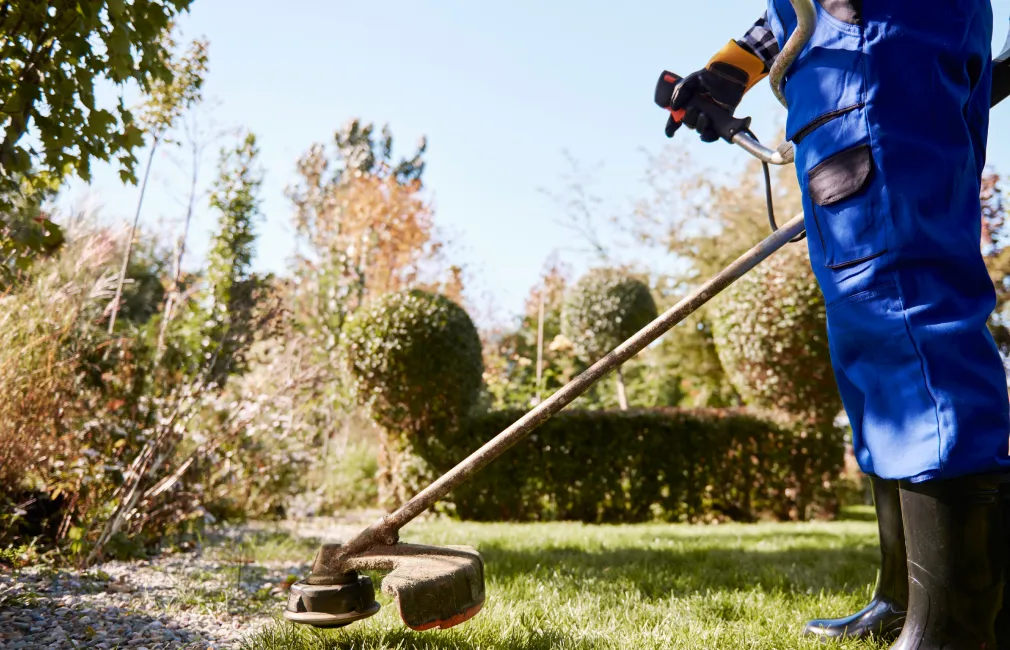
Shady Hollow Lawn Installation Types

Sod Installation
-
Hydroseeding
-
Artificial Turf Installation
-
Native Grass Planting
-
Overseeding Existing Lawns
-
Soil Preparation and Grading
-
Erosion Control Solutions
Our Lawn Installation Process
Site Evaluation
Soil Preparation
Lawn Installation
Watering and Initial Care
Why Choose Shady Hollow Landscape Services
-
Shady Hollow Homeowners Trust Us
-
Expert Lawn Maintenance
-
Reliable Seasonal Cleanup
-
Efficient Irrigation Solutions
-
Competitive Pricing
-
Professional Team
-
Satisfaction Guarantee
Soil Series and Drainage Considerations for Lawn Installation in Shady Hollow
Lawn installation in Shady Hollow requires careful assessment of local soil conditions, which are predominantly Houston Black clay and Burleson clay loam according to the USDA Web Soil Survey. These soils are characterized by high clay content, slow permeability, and a tendency toward compaction, resulting in poor drainage and seasonal water retention. Before installation, it is recommended to:
- Conduct a soil test (available through Texas A&M AgriLife Extension; typical cost: $15-25)
- Amend soil with 2-3 inches of compost tilled to a 6-inch depth
- Apply lime if pH is below 6.0 or sulfur if above 7.5
- Ensure final grade slopes away from structures at 2% minimum
Proper soil preparation is essential to prevent waterlogging and root suffocation, especially in low-lying areas near Slaughter Creek and Bear Creek.
Texas A&M AgriLife Extension
17360 Coit Road, Dallas, TX 75252
Phone: (972) 952-9200
Official Website: Texas A&M AgriLife Extension
Seasonal Timing and Climate Zone Guidance for Shady Hollow Lawn Establishment
Shady Hollow is located in USDA Hardiness Zone 8b, with average annual minimum temperatures of 15-20°F and a warm-season growing period from mid-March through early November. The optimal windows for lawn installation are:
- Spring seeding/sodding: March 15 – May 15 (soil temperature 60-70°F)
- Fall seeding: September 1 – October 15 (soil temperature 65-75°F)
- Avoid installation June-August due to heat stress and high evaporation
Monitor local weather forecasts through the National Weather Service Austin/San Antonio Office to avoid periods of heavy rainfall or drought. Irrigation should be scheduled before 10:00 AM or after 7:00 PM to minimize evaporation and comply with local water conservation ordinances. For detailed climate data, consult the USDA Plant Hardiness Zone Map.
Municipal Coordination and Lawn Installation Permitting in Shady Hollow
All lawn installation projects in Shady Hollow must comply with city ordinances regarding construction hours, site disturbance, and stormwater management. Equipment operation is permitted:
- Monday-Friday: 7:00 AM – 7:00 PM
- Saturday: 8:00 AM – 6:00 PM
- Sunday and holidays: Prohibited
Permits are required for grading, irrigation system installation, and any work within 25 feet of wetlands or protected areas. Permit application fees typically range from $50-$100, with a review period of 5-10 business days. All debris must be disposed of through the city’s weekly yard waste collection (Thursdays, April-November), using biodegradable bags or 32-gallon bins.
City of Austin Transportation & Public Works
505 Barton Springs Road, Austin, TX 78704
Phone: (512) 974-7065
Official Website: City of Austin Transportation & Public Works
Environmental Compliance: Stormwater, Buffer Zones, and State Regulations
Lawn installation in Shady Hollow must adhere to Texas Water Code and Clean Water Act requirements, including the MS4 stormwater permit administered by the Texas Commission on Environmental Quality (TCEQ). Key compliance steps include:
- Maintain a 25-foot no-disturbance buffer from wetlands and streams
- Prohibit fertilizer and pesticide application within 50 feet of water bodies
- Prevent soil, mulch, or grass clippings from entering storm drains
- Use erosion control measures (silt fence, wattles) on slopes >5%
Violations may result in fines or project delays. For additional guidance, consult the EPA Region 6 office and the Austin Environmental Commission.
Texas Commission on Environmental Quality (TCEQ)
12100 Park 35 Circle, Austin, TX 78753
Phone: (512) 239-1000
Official Website: Texas Commission on Environmental Quality
Turfgrass Species Selection and Professional Standards for Shady Hollow Lawns
Selecting turfgrass species suited to Shady Hollow’s climate and soil is critical for sustainable lawn establishment. Recommended species include:
- St. Augustinegrass (Stenotaphrum secundatum): Best for shade and clay soils
- Zoysiagrass (Zoysia japonica): Drought-tolerant, dense growth
- Bermudagrass (Cynodon dactylon): Full sun, high-traffic tolerance
- Buffalo grass (Bouteloua dactyloides): Native, low water needs
Install sod or seed at recommended rates (e.g., 1-2 lbs seed/1,000 sq ft for Bermuda). Professional standards require:
- Core aeration to 2-3 inches for clay soils
- Use of commercial-grade spreaders and mowers
- PPE: ANSI Z87.1 safety glasses, hearing protection for 85+ dB, steel-toed boots
- Maintain 15-foot clearance from utilities
For technical guidance, refer to Texas A&M AgriLife Extension and city standards.
What Neighborhoods Do We Serve Throughout Shady Hollow, TX?
- Shady Hollow Estates: Features mature tree canopy and heavy clay soils, requiring soil amendment and careful drainage planning for new lawns.
- Barker Ranch: Newer development with moderate slopes and compacted fill soils; installation often involves subsoil ripping and erosion control.
- Southland Oaks: Proximity to Bear Creek and designated conservation areas necessitates strict buffer compliance and native turf selection.
- Laurelwood Estates: Larger lots with variable drainage; properties may require French drains or grading adjustments before lawn installation.
- Smithfield: Smaller lots and higher density, with HOA guidelines on turf species and irrigation system placement.
- Twin Creek Acres: Floodplain location near Slaughter Creek; projects must follow wetland buffer and stormwater management protocols.
- Shady Hollow West: Mix of older and new homes, with both established lawns and new construction sites facing compaction and runoff challenges.